Seychelles Fishing Seasons Explained by Target Species
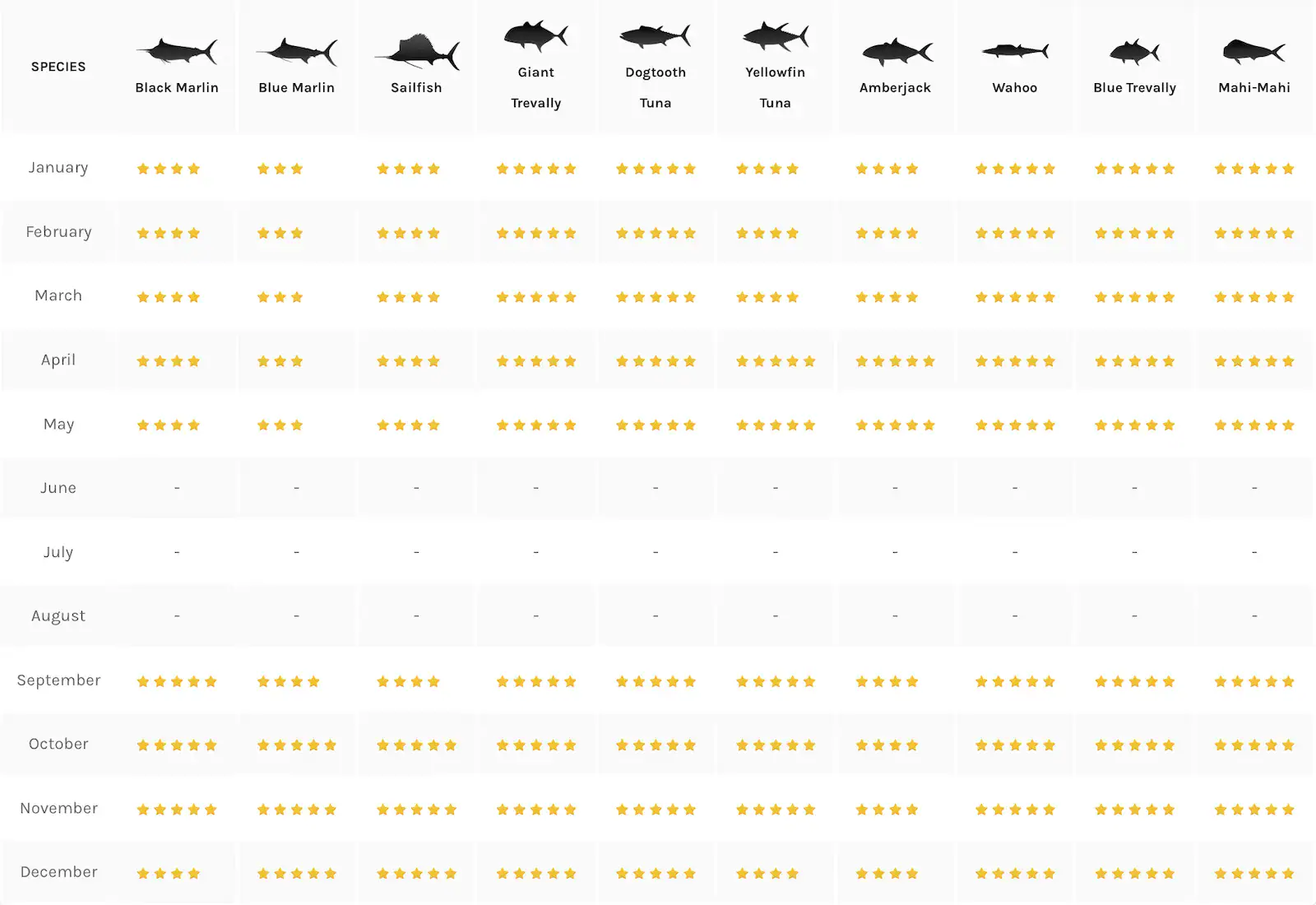
If you’ve spent any time researching fishing in the Indian Ocean, you’ve probably noticed a lot of conflicting advice about seasons in Seychelles. One chart says one thing, another blog says the opposite, and suddenly it feels like if you don’t hit a perfect two-week window, the trip’s not worth taking.
That thinking is wrong.
Fishing in Seychelles doesn’t revolve around rigid “on” and “off” seasons. It revolves around species behavior, structure, current, and how conditions push fish to feed. The fish are here year-round. What changes is how and where you target them, and how weather patterns affect fishing conditions.
This breakdown explains Seychelles fishing seasons by target species, not by tourist calendar—so you can plan your trip around what actually matters.
First, the Reality of “Seasons” in Seychelles
Seychelles operates on wind systems, not four neat seasons. Here is the complete guide to fishing in the Seychelles
Two dominant patterns influence fishing:
-
Northwest monsoon (roughly November–April)
-
Southeast trade winds (roughly May–October)
Between them are transition periods where conditions shift quickly. None of this means fish disappear. It means:
-
Some techniques become easier
-
Some areas fish better than others
-
Some species become more predictable
Good fishing here isn’t about luck. It’s about alignment.
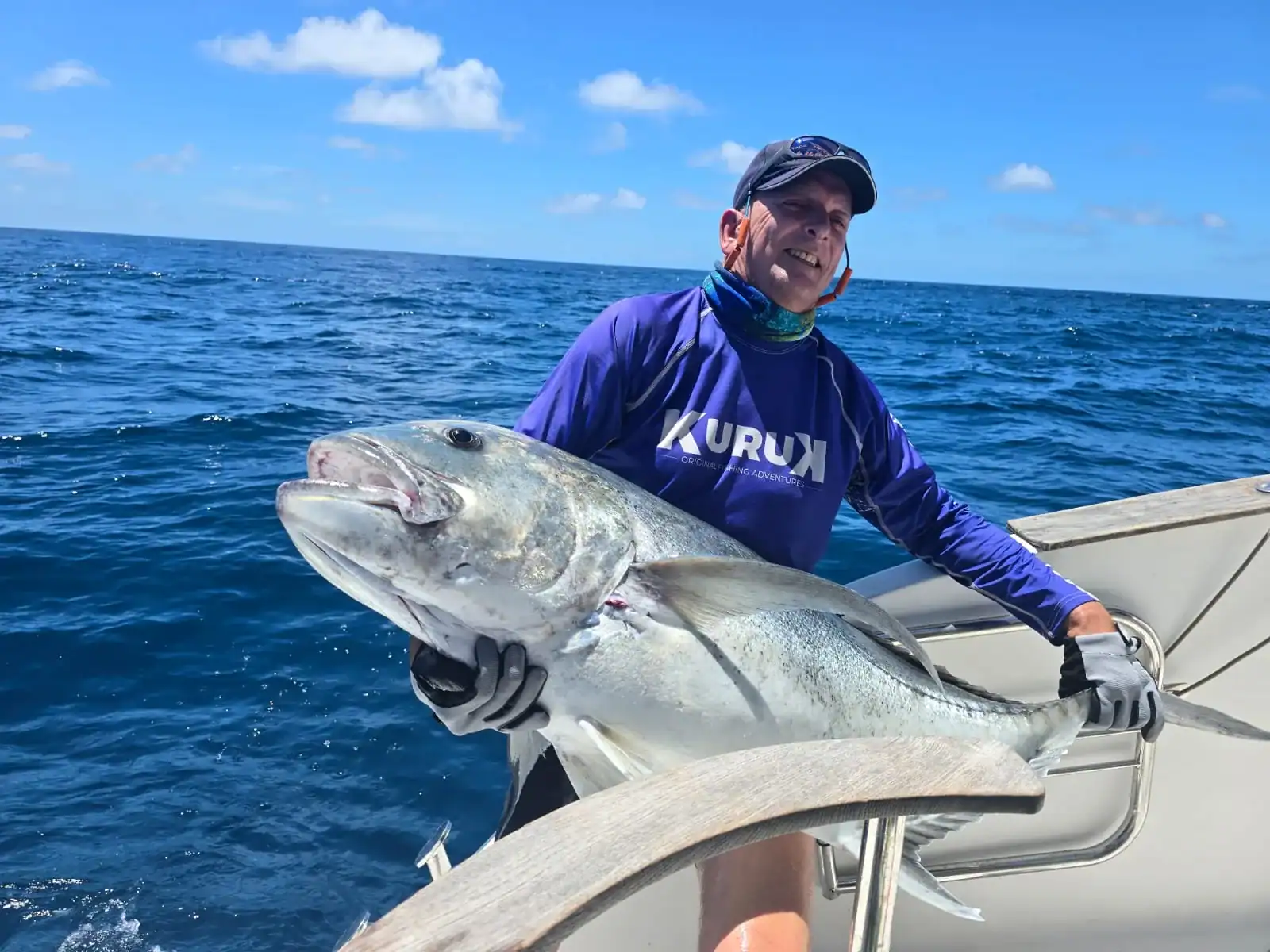
Giant Trevally (GT): Year-Round, Condition-Driven
GTs are the reason many anglers come to Seychelles—and they’re present all year.
What changes seasonally isn’t their availability, but how they position on structure and how aggressive they are.
When GT fishing shines
-
During periods with defined current
-
When wind pushes water onto reef edges
-
When bait is forced tight to structure
Trade wind months often produce:
-
Stronger current lines
-
More predictable holding zones
-
Explosive shallow-water encounters
Calmer periods can still fish exceptionally well, but GTs may roam wider, requiring more searching and precise timing.
Key takeaway:
There is no “GT season.” There are GT conditions—and Seychelles offers those throughout the year.
Dogtooth Tuna: Built for Pressure, Not Comfort
Dogtooth tuna don’t care about calendars. They care about structure, depth, and current.
These fish live where:
-
Reefs drop hard into deep water
-
Current compresses bait
-
Mistakes get punished fast
What matters most
-
Boat control
-
Ability to fish heavy jigs effectively
-
Fishing windows when current isn’t overpowering
Some of the best dogtooth encounters happen during periods many anglers consider “challenging” because:
-
Wind concentrates bait
-
Fish hold tighter to structure
-
Feeding windows are shorter but more violent
Key takeaway:
If dogtooth are your priority, flexibility and experience matter far more than the month you book.
Yellowfin Tuna: Tied to Bait and Water Movement
Yellowfin tuna are the most seasonally variable species in Seychelles—but even then, variability doesn’t mean absence.
Their presence is influenced by:
-
Bait concentrations
-
Water temperature
-
Offshore current edges
Typical patterns
-
Warmer water periods often hold more bait offshore
-
Calm weather allows access to wider bluewater zones
-
Some years produce strong yellowfin runs; others are quieter
When yellowfin are around, they’re often:
-
Aggressive
-
Hard-fighting
-
Encountered while targeting other species
Key takeaway:
Yellowfin fishing is opportunity-based. You plan for it—but you don’t build an entire trip around guarantees.
Wahoo: Opportunists That Love Change
Wahoo thrive in transition zones—areas where water temperature, current, or structure shifts abruptly.
They’re commonly encountered:
-
Along offshore edges
-
Near drop-offs
-
On current lines
Seasonally, they tend to show best when:
-
Current is defined
-
Water clarity is good
-
Bait is present but scattered
Because of their speed and feeding style, wahoo often show up when you’re not targeting them directly.
Key takeaway:
Wahoo aren’t seasonal trophies—they’re situational rewards.
Sailfish & Marlin: Bonus Players, Not the Headline
Billfish are present in Seychelles, but they’re not the primary draw for most anglers—and that’s important to understand.
They’re typically encountered:
-
Offshore
-
During trolling or transit
-
Around bait schools
Certain periods offer better chances offshore, especially when:
-
Seas allow extended runs
-
Water temperature lines are visible
-
Bait stacks in open water
Key takeaway:
If billfish are on your list, consider them a welcome addition, not the foundation of your trip. Here is the complete guide to fishing in the Seychelles
Reef Species: The Constant
Reef fishing in Seychelles is reliable year-round.
Species like:
-
Jobfish
-
Groupers
-
Snappers
-
Barracuda
…respond less to season and more to:
-
Tide
-
Current strength
-
Time of day
These fish often provide:
-
Action when offshore conditions aren’t ideal
-
Light-tackle opportunities
-
Variety on long trips
Key takeaway:
Reef fishing is your steady baseline—season independent and consistently productive.
How Wind and Current Shape Species Behavior
One of the biggest mistakes anglers make is equating calm seas with better fishing.
In reality:
-
Wind creates current
-
Current positions bait
-
Bait positions predators
Some of the most productive days happen when:
-
Conditions are uncomfortable but fishable
-
Structure is loaded with pressure
-
Fish are forced into predictable zones
Flat water is nice for travel. It’s not always the trigger for feeding.
Transition Months: Why Guides Love Them
The months between dominant wind systems are often overlooked—but they can be exceptional.
During transitions:
-
Fish behavior becomes less predictable but more aggressive
-
Multiple techniques become viable in a single day
-
Pressure is often lower
The downside?
-
Conditions can change quickly
-
Plans must stay flexible
-
Experience becomes critical
This is where fishing with professionals who read water—not calendars—makes the difference.
Matching Your Trip to the Right Species
Before choosing dates, ask yourself:
-
What species matters most to me?
-
Am I comfortable fishing in wind?
-
Do I want offshore, reef, or mixed days?
-
Am I flexible if conditions shift?
There’s no universal “best month.” There’s only the best alignment between goals and conditions.
The Honest Truth About Seychelles Fishing Seasons
Seychelles isn’t a destination built around short, fragile seasons. It’s built around:
-
Healthy fisheries
-
Vast structure
-
Low pressure
-
Wild fish that behave like wild fish
You don’t come here to tick boxes. You come here to fish properly, adapt daily, and earn your encounters.
If that’s what you’re looking for, the season is almost secondary.
Final Takeaway
Seychelles fishing seasons make sense when you stop thinking in months and start thinking in species and conditions. This is why experienced anglers choose Seychelles
Plan around:
-
What you want to catch
-
How you want to fish
-
What kind of conditions you’re prepared for
Do that—and Seychelles will deliver, regardless of the page on the calendar.
Planning your trip?
If you want help choosing dates based on target species, real conditions, and how you actually like to fish, not generic season charts, View trips and availability and start the conversation early.

Leave A Comment