
When to Fish Seychelles: A Straight Guide
If you want a simple answer about the best time to fish Seychelles, here it is: there isn’t one universal window.
Seychelles offers productive fishing year-round. What changes across the calendar is wind direction, sea state, and which species are most accessible. Your ideal timing depends on what you want to catch and how you prefer to fish. We’ll look at how fishing seasons change throughout the year.
This isn’t the answer most destination guides provide because it doesn’t fit neatly into marketing brochures or simplified travel advice. But it’s the honest assessment that will actually help you plan a successful trip.
Why Seychelles Works All Year
The islands sit in the western Indian Ocean, surrounded by deep water and steady currents. Fish don’t migrate away seasonally—they’re always present. What shifts is where they concentrate and how easily you can reach them.
The archipelago’s position far from continental landmasses means it’s fed by oceanic currents that bring nutrient-rich water year-round. This creates a stable marine ecosystem that supports resident fish populations alongside transient pelagic species.
Unlike destinations where fishing success hinges on narrow migration windows or specific spawning seasons, Seychelles maintains productive fisheries throughout the calendar. The ocean doesn’t shut down—it just presents different opportunities at different times.
Instead of hunting for a magic month, focus on matching conditions to your priorities. Understanding what drives seasonal changes helps you make informed decisions rather than relying on oversimplified advice. Here is the complete guide to fishing in the Seychelles
The Two Wind Patterns That Matter
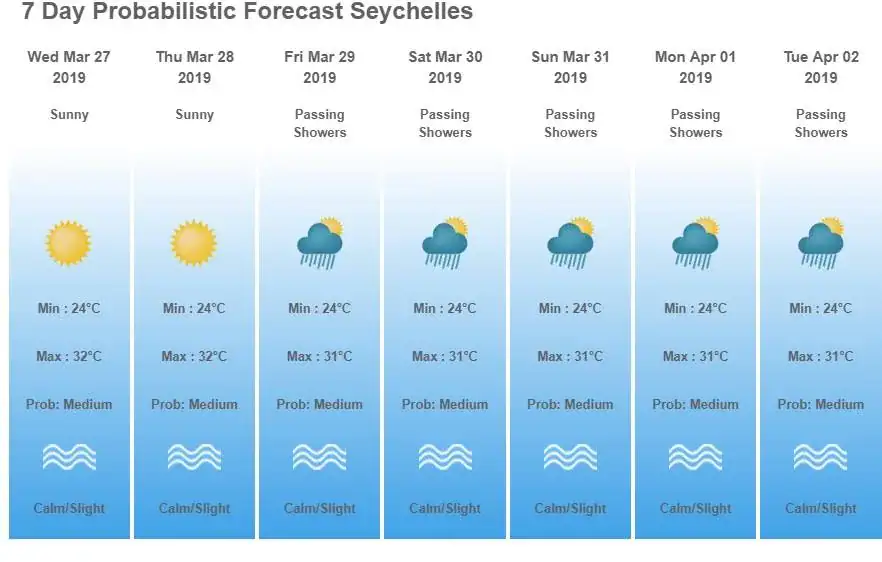
Seychelles doesn’t follow traditional seasons – we’ll look at how weather patterns affect fishing conditions. It runs on monsoon cycles that dictate wind direction, sea state, and current patterns.
Northwest monsoon (roughly November to April): Lighter winds, warmer water, variable weather patterns. During this period, winds typically blow from the northwest, though they’re often inconsistent in strength and direction. Days can range from dead calm to moderate breeze, with more frequent windows of settled weather.
Southeast trades (roughly May to October): Stronger, steadier winds from the southeast, cooler and drier conditions. These winds are more consistent and predictable, creating defined weather patterns that experienced anglers can plan around.
Between these periods sit transition months that often deliver excellent fishing but require more flexible planning. These windows—typically April to May and October to November—don’t follow the established patterns of either monsoon system, which creates both opportunity and unpredictability.
The transition from one system to another doesn’t happen on a precise date. Wind patterns shift gradually, and individual years show variation. Some seasons establish themselves early, others linger or shift back and forth before settling.
Understanding these wind systems matters because they directly influence where you can fish, which techniques work best, and how comfortable your days on the water will be.
November Through April: Offshore Access and Calm Windows
This period brings heat and humidity, but also more frequent calm weather and good offshore access.
Water stays warm, often reaching into the high 20s Celsius. Tropical systems occasionally form far offshore but rarely disrupt fishing close to the islands. Wind lightens enough to reach deeper structure and open water consistently, opening up fishing grounds that become difficult or impossible to access during windier months.
This timeframe favors anglers who want bluewater options, long offshore runs, or the ability to adjust plans daily based on conditions. Tuna fishing stays active throughout this period, with yellowfin often showing in good numbers when bait concentrations form along current edges and temperature breaks.
Jigging conditions improve when current aligns properly with structure. Deep drops for dogtooth tuna and other bottom dwellers become more feasible when sea state allows precise boat positioning. Reef edges produce well during cooler parts of the day, particularly early morning and late afternoon when surface temperatures moderate slightly.
The variability in weather during this season means you need to stay flexible. Some days deliver perfect glassy conditions ideal for sight fishing and working surface lures. Other days bring scattered squalls or shifting winds that require tactical adjustments.
If you value flexibility and mixed fishing days—combining offshore runs with reef fishing or structure work—this period delivers consistently. The ability to make daily decisions based on actual conditions rather than being locked into one style of fishing is a significant advantage.
Water clarity can vary during this season depending on recent weather. After periods of rain or when current patterns shift, visibility may decrease temporarily in some areas. Experienced guides know which locations maintain clarity regardless of conditions and can adjust accordingly.
May Through October: Structure Fishing and Predictable Patterns
When the southeast trades establish themselves, the ocean changes character. Wind increases, water cools slightly, and current lines sharpen along reef edges.
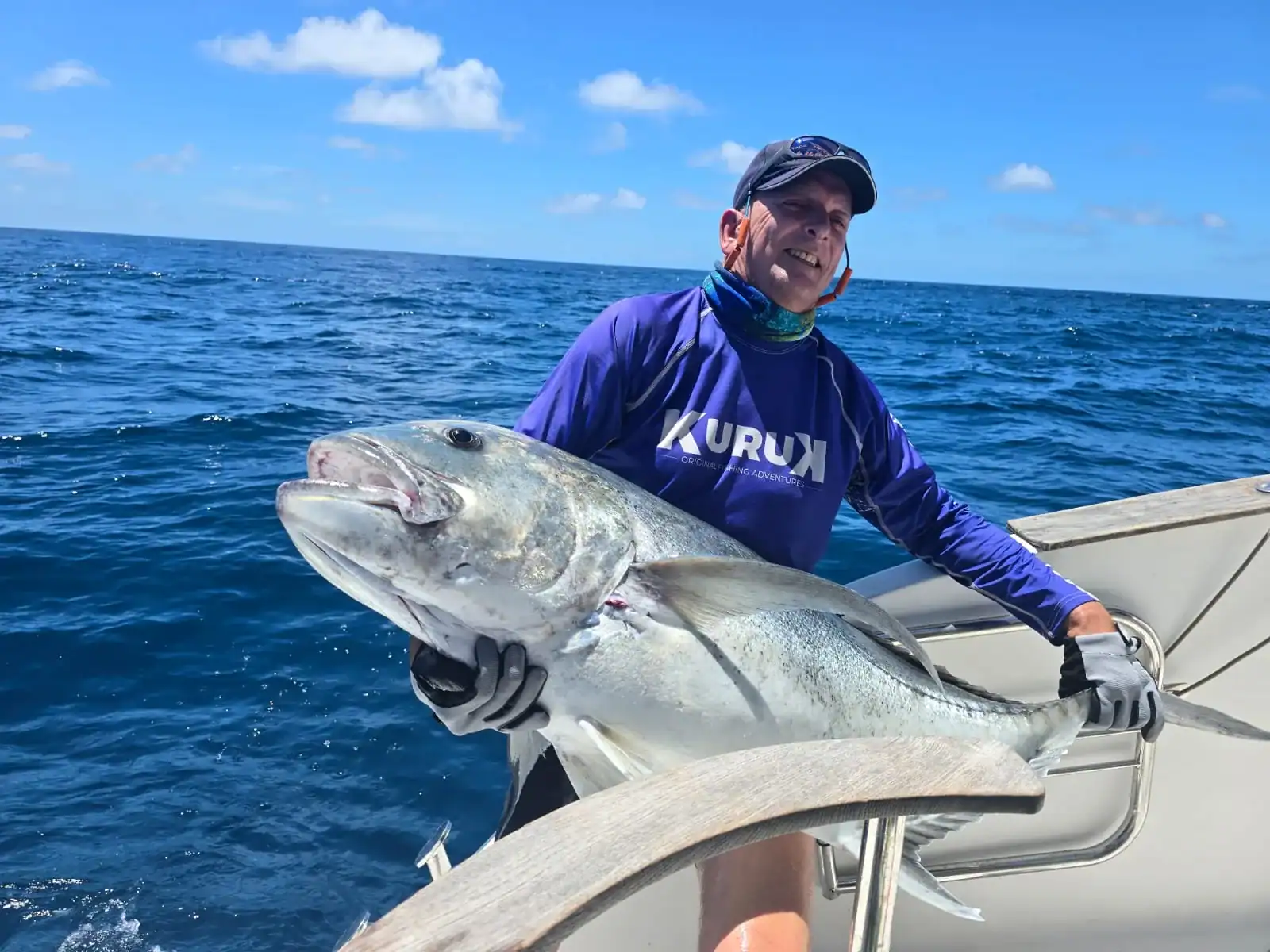
This isn’t worse fishing—it’s different fishing. The consistent wind creates defined current patterns that concentrate baitfish and predators along predictable structures. Giant trevally work structure more reliably during this period, positioning themselves along current-facing reef edges where they ambush prey being swept past.
Popping and casting become highly productive when you position correctly relative to wind and current. The challenge is reading structure and presenting lures in the strike zone despite wind resistance. Skilled casters who can work heavy poppers into wind often find exceptional fishing during these months.
Water clarity often improves during the trade wind season. The consistent current and cooler water temperatures contribute to better visibility in many areas, which helps with sight fishing opportunities when conditions allow.
Fish behavior becomes more readable during this period. Instead of scattered, opportunistic feeding, species often establish more predictable patterns tied to current flow, structure, and time of day. Anglers who invest time observing and understanding these patterns can dial in consistent success.
This season rewards technical anglers who enjoy working windward edges and don’t mind trading comfort for consistency. Days on the water can be physically demanding, with wind, spray, and boat movement requiring endurance and focus. But for anglers who appreciate the challenge, some of the hardest GT fishing of the year happens during these months.
The trade wind period also brings drier, less humid conditions, which many anglers find more comfortable despite the increased wind. Physical exertion in cooler temperatures with lower humidity is generally easier to sustain throughout long days of casting heavy lures.
Offshore fishing doesn’t stop during the trade winds, but it becomes more selective. Experienced captains know which days and which areas remain accessible, and where to find protected water when winds peak. Some offshore grounds actually fish better during this season due to enhanced current flow and concentrated baitfish.
Transition Periods: Underrated and Unpredictable
April to May and October to November don’t fit neatly into either pattern, which is exactly why they can be exceptional.
Wind drops between systems, creating windows of calm weather that can last days or shift within hours. Current shifts direction as one monsoon system weakens and another begins establishing itself. These changes in current direction and strength often trigger aggressive feeding behavior as fish adjust to new patterns.
Fish respond to changing conditions with increased activity. Predators that may have been holding tight to specific structures suddenly range more widely. Baitfish movements become less predictable, which often triggers opportunistic feeding from multiple species.
Rules about where species should be don’t apply as reliably during transition periods. Giant trevally might show up in unexpected locations. Pelagic species may move closer to shore or concentrate in areas they typically avoid during established monsoon periods.
The tradeoff is variability. Weather can shift faster than during established monsoon periods, sometimes changing dramatically within a single day. A morning that starts calm and glassy might turn windy by afternoon, or vice versa. This requires flexible planning and willingness to adapt tactics quickly.
Reading water and adjusting tactics becomes critical during transitions, which is where experienced guides prove their value. Local knowledge about how specific areas respond to shifting conditions—where fish move when current changes direction, which structures produce during calm spells versus windy periods—makes the difference between capitalizing on opportunities and missing them entirely.
For anglers who enjoy less predictable fishing and value the possibility of exceptional encounters over guaranteed consistency, transition periods offer unique rewards. Some of the most memorable days happen when conditions align perfectly during these brief windows.
Target Species and Timing
Giant trevally appear year-round but change behavior seasonally. Wind concentrates them along current-facing structure, particularly during the trade wind months when current flow is strongest and most consistent.
Cooler months can trigger explosive shallow bites, particularly during early morning and late afternoon when GTs move into skinnier water to feed. These opportunities require stealth, accurate casting, and quick reactions when fish crash lures in water shallow enough to see their backs.
Transition windows sometimes produce brief, intense feeding periods when changing current patterns disorient baitfish and create feeding opportunities. These windows may only last an hour or two but can deliver rapid-fire action.
Pressure and conditions matter more than the calendar when targeting GTs. A lightly fished area during less-than-ideal conditions often outfishes heavily pressured water during supposedly perfect months. Understanding how GTs respond to specific wind directions, current strength, and time of day helps you make tactical decisions that increase success regardless of season.
Dogtooth tuna live on structure and demand precision. These fish hold tight to specific features—deep reef edges, pinnacles, drop-offs—and rarely venture far from home. Consistent current matters more than season because current flow determines when and how actively they feed.
Deep structure fishing improves when boat control is possible, which sometimes means fishing through challenging conditions. Holding position over a specific feature in wind and current while working jigs vertically requires skill from both angler and captain.
Dogtooth fishing rewards persistence. You might work structure for hours before encountering fish, then experience frantic action when you finally connect with an active school. The physical demands of jigging deep water in tropical heat make this some of the most exhausting fishing available in Seychelles, but the rewards justify the effort.
Yellowfin tuna follow bait movement, which intensifies during warmer periods when offshore access is easiest. Their presence varies year to year based on oceanic conditions that extend far beyond the Seychelles archipelago.
When yellowfin are present, they often concentrate along current edges, temperature breaks, and areas where deep water pushes close to reef structure. Finding them requires covering water and reading signs—bird activity, bait movement, current lines, water color changes.
Their presence can be extraordinary when conditions align. Schools of feeding yellowfin create visual chaos as they crash bait on the surface, offering opportunities for casting, jigging, or trolling. But they can also be maddeningly absent or uncooperative, which is part of what makes targeting them engaging.
Wahoo and other pelagics respond to current edges and temperature breaks. They’re opportunistic hunters that patrol defined features looking for vulnerable prey.
Wahoo fishing often happens incidentally while targeting other species, but anglers who specifically pursue them can increase success by focusing on areas where current creates defined edges—the boundaries between different water masses where baitfish concentrate.
Other pelagics—sailfish, various tuna species, rainbow runners, and more—appear throughout the year based on local conditions and broader oceanic patterns. Part of what makes Seychelles fishing engaging is never knowing exactly what might show up on any given day.
Weather and Fishing Quality Don’t Correlate Simply
Flat calm doesn’t guarantee good fishing. Some exceptional days happen when wind pushes bait onto structure, current creates defined pressure zones, or conditions concentrate fish in predictable areas.
Many anglers instinctively want perfect weather—calm seas, light wind, comfortable temperatures. But fish don’t necessarily feed best under these conditions. Predatory species often become more active when environmental factors create advantages for hunting.
Wind-driven current can stack baitfish against structure, creating concentrated feeding opportunities. Choppy surface conditions can make predators less visible to prey, increasing their hunting success. Cloud cover can extend productive fishing beyond the typical early morning and late afternoon windows.
Skilled guides don’t wait for perfect weather—they adapt tactics to what’s actually happening on the water. This might mean switching from poppers to stickbaits when wind makes surface lures difficult to work, or adjusting the depth range being fished based on water clarity affected by recent weather.
Understanding how different species respond to varying conditions helps you maintain productivity regardless of weather. Some species feed more aggressively in rougher conditions, while others prefer calm windows. Knowing which fish to target based on current conditions keeps you fishing effectively. Here is the complete guide to fishing in the Seychelles
Choosing Your Window
Before picking dates, consider what matters most to you.
Are you more interested in offshore or reef fishing? If bluewater fishing is your priority, the calmer months typically offer better access, though skilled captains can still reach offshore grounds during windier periods by timing trips strategically.
How comfortable are you fishing in wind? If you have limited experience casting in challenging conditions or prefer more relaxed fishing, the calmer monsoon period might suit you better. If you’re an experienced angler who enjoys technical challenges, the trade wind season offers excellent fishing.
Do you prioritize giant trevally, tuna, or variety? Different species respond to different seasonal conditions, so aligning your trip with your target species improves your chances significantly.
Do you want daily flexibility or consistent conditions? The northwest monsoon offers more variable weather requiring flexible daily planning, while the southeast trades provide more predictable conditions but within a narrower range of possibilities.
Your answers matter more than any generalized seasonal recommendation. Two anglers visiting during the same week might have completely different experiences based on how their skills, preferences, and goals align with current conditions.
Physical fitness and endurance also factor into timing decisions. Fishing Seychelles seriously demands physical effort—long days on the water, repetitive casting of heavy lures, fighting powerful fish in tropical heat. Cooler, drier conditions during the trade wind months can make this exertion more sustainable for some anglers.
Fishing Pressure Stays Low
Compared to many international fishing destinations, Seychelles sees relatively light pressure throughout the year. The remote location, limited number of serious fishing operations, and vast area of fishable water means that even during busier periods, you’re unlikely to encounter crowded conditions.
Certain months attract more traveling anglers, particularly during northern hemisphere winter when anglers from Europe and North America seek warm-weather fishing opportunities. Popular areas see increased activity during peak travel seasons, but the difference is measured in boats per week rather than boats per day.
Remote locations remain lightly fished almost always. The Seychelles outer islands offer fishing opportunities that see minimal pressure year-round, maintaining wild, aggressive fish behavior that’s increasingly rare globally.
Working with operators who understand both fish movement and angler patterns makes a meaningful difference. Guides who actively manage pressure on specific areas by rotating locations and limiting the number of anglers visiting particular sites help maintain quality fishing for everyone.
Low fishing pressure contributes to the consistent quality Seychelles offers across seasons. Even during supposedly less ideal months, lightly fished areas often produce better results than heavily pressured destinations during their peak seasons.
The Real Answer
The best time to fish Seychelles is when conditions match your goals, you’re prepared for physical and technical fishing, and you’re working with guides who understand the water beyond seasonal generalizations.
Seychelles rewards informed planning and realistic expectations. It doesn’t have a single perfect season—it has different windows that suit different anglers.
The destination punishes unrealistic expectations and casual preparation but consistently delivers for anglers who show up informed, physically ready, and mentally prepared to adapt. Understanding what drives seasonal patterns helps you make better decisions about when to visit and how to fish.
Ultimately, the “best” time is less about the calendar and more about alignment between conditions, your capabilities, and your priorities. An experienced angler targeting GTs during the trade winds might have a vastly better trip than a novice visiting during supposedly ideal conditions but unprepared for the physical and technical demands.
If you want help choosing the right timing based on your target species and fishing style rather than marketing calendars, view trips and availability and start planning early. Conversations with experienced operators who fish these waters year-round provide insights that generic seasonal charts never can.
The fishing is there twelve months a year. Your job is matching your timing to what you actually want from the experience.


Leave A Comment