

African Banks Fishing Guide
An Angler’s Resource to One of the Amirantes’ Most Dynamic Fisheries
Overview
At the far northern edge of the Amirantes, African Banks Seychelles sits where shallow reef systems rise abruptly from deep Indian Ocean water. Because of this, the area is charged with current, bait, and life. As a result, predator activity here is rarely subtle and often nonstop.
More often than not, days begin with Yellowfin Tuna boiling on the surface. Then, as the light fades, they end with the unmistakable thump of a Dogtooth Tuna crushing a jig at sunset. In other words, African Banks concentrates bait, structure, and current in a way that keeps fish active all day long—which is why it remains one of the most consistently productive locations on any Outer Islands expedition.
Habitat & Structure of African Banks Seychelles
African Banks owes its reputation to the way multiple high-value structures intersect within a compact footprint. Together, these elements create constant opportunity.
Shallow Lagoon Anchorage
First, a protected shallow lagoon provides reliable anchorage and efficient staging access. Because of this, fishing begins quickly, and as a result, anglers spend more time lines-in and less time transiting.
Steep Outer Edges
Next, the banks drop sharply into hundreds of meters of water. Consequently, these edges become natural hunting lanes for large pelagics—especially when current presses bait tight against the reef.
Hard Reef Platforms and Bommies
In addition, submerged platforms, isolated bommies, and broken reef sections form ambush points. Therefore, both surface predators and deep-water hunters can hold and feed with confidence.
Strong Indian Ocean Currents
Finally, consistent Indian Ocean current delivers bait into the system day after day. Because this food supply is constant, predators remain resident and actively feeding rather than merely passing through.
Taken together, these features make African Banks uniquely suited to topwater fishing and vertical jigging—often within the very same drift.
Primary Species at African Banks Seychelles
Not only does African Banks offer size, but it also delivers variety. As a result, action is rarely limited to a single target.
-
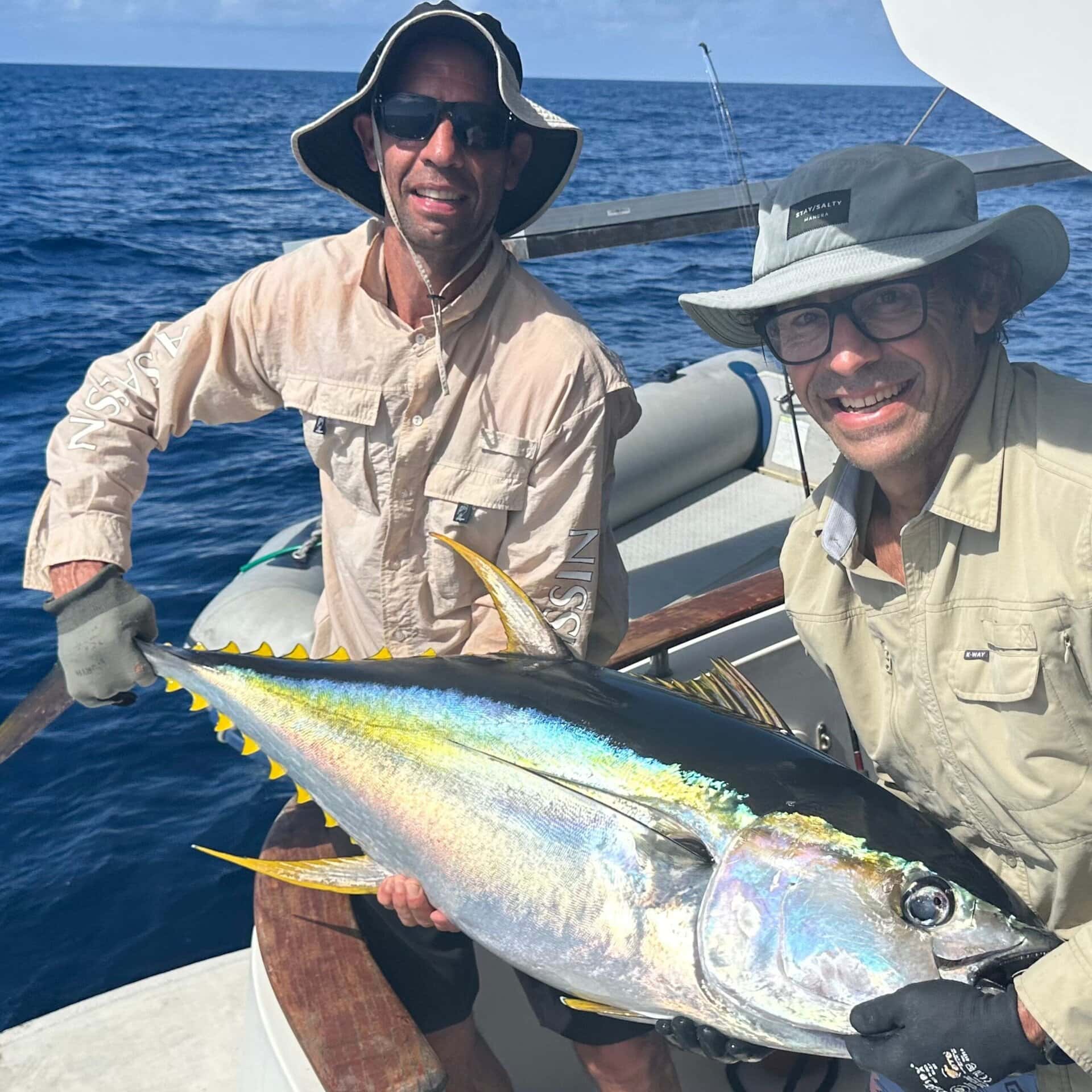
Yellowfin Tuna (20–80+ kg) – Frequently encountered on the surface, particularly early and late
-
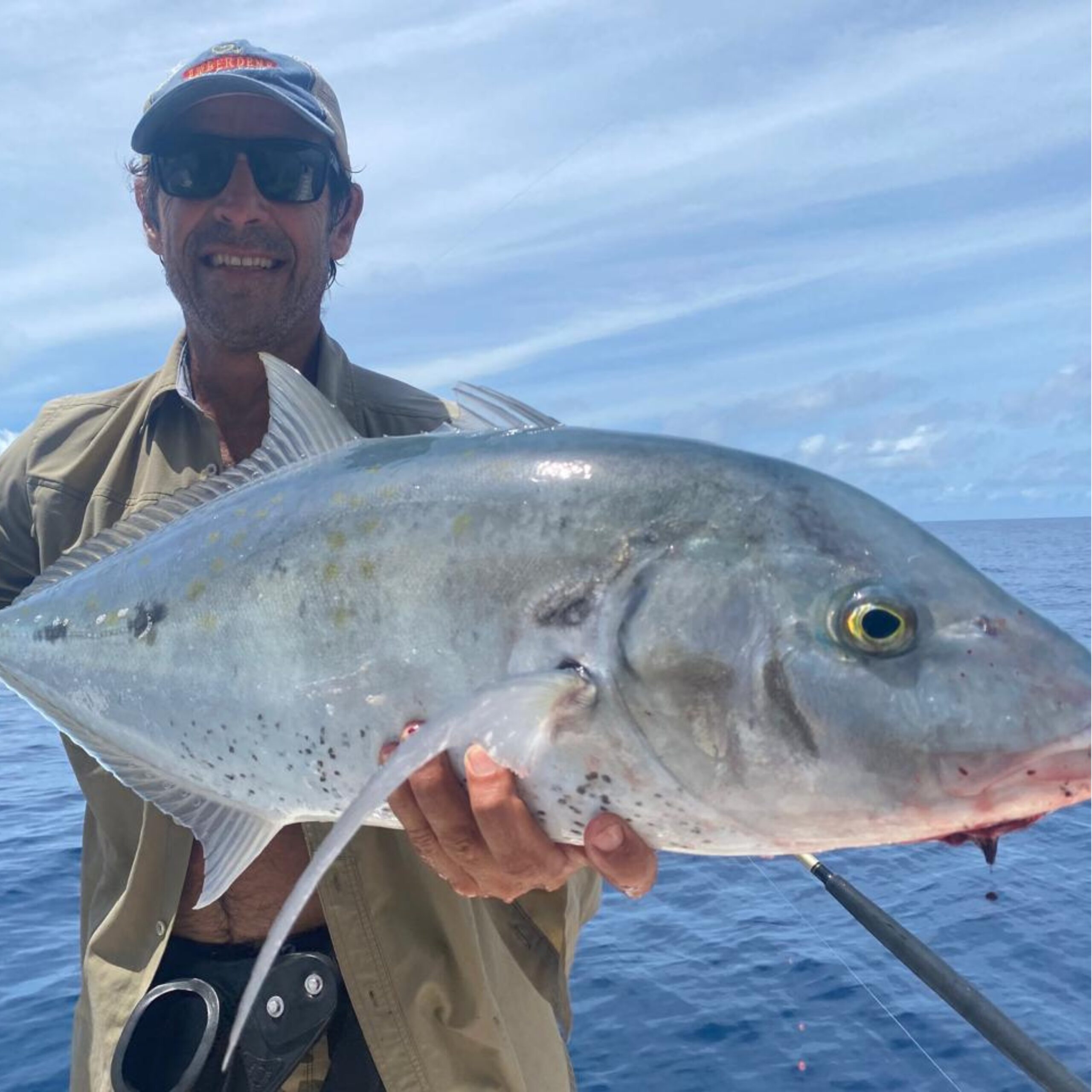
Giant Trevally (GTs) – Aggressive feeders along reef edges and pressure points
-
Dogtooth Tuna (20–70+ kg) – Typically positioned deep along drop-offs and structure
-
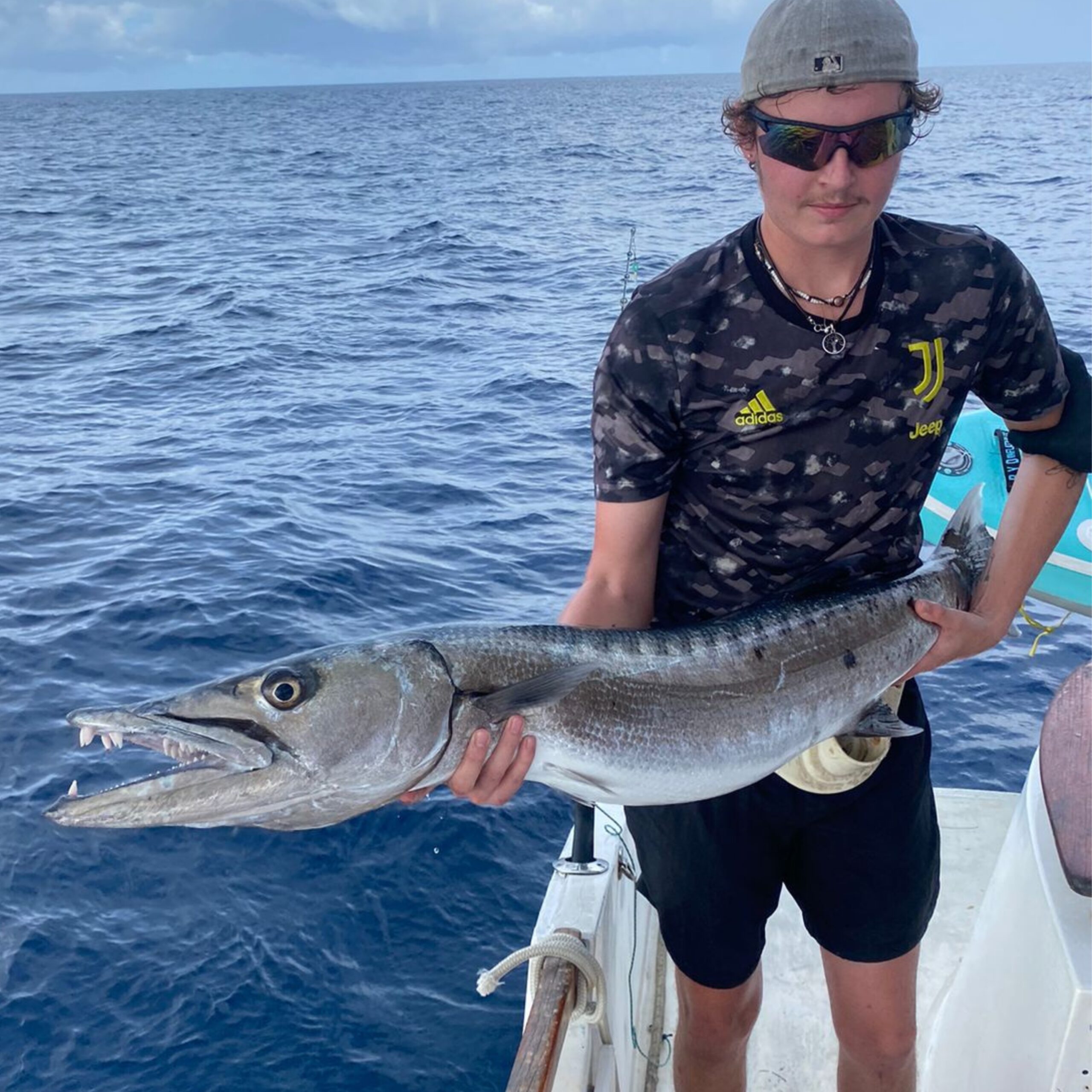
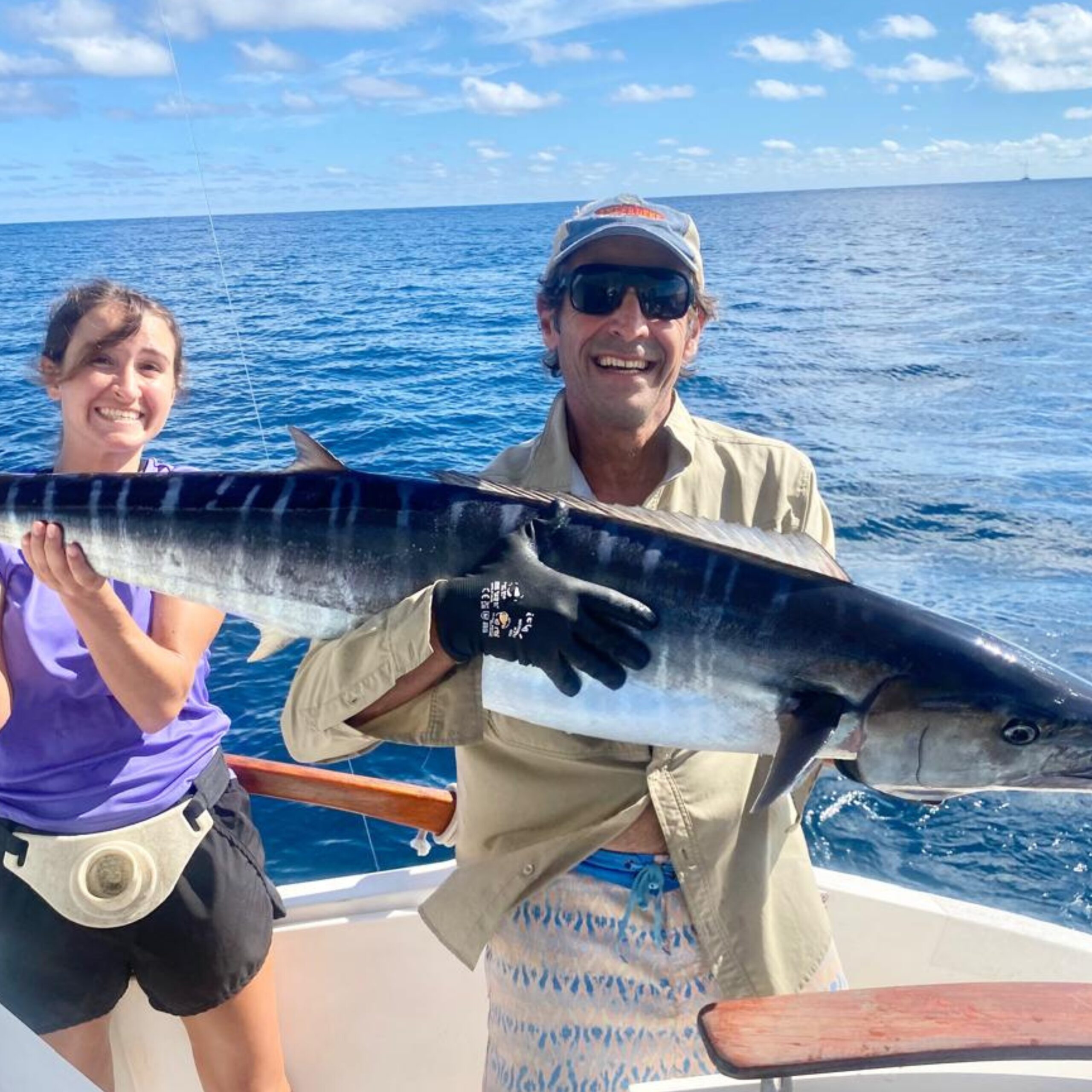
Wahoo (20–40 kg) – Fast-moving and commonly encountered between zones
-
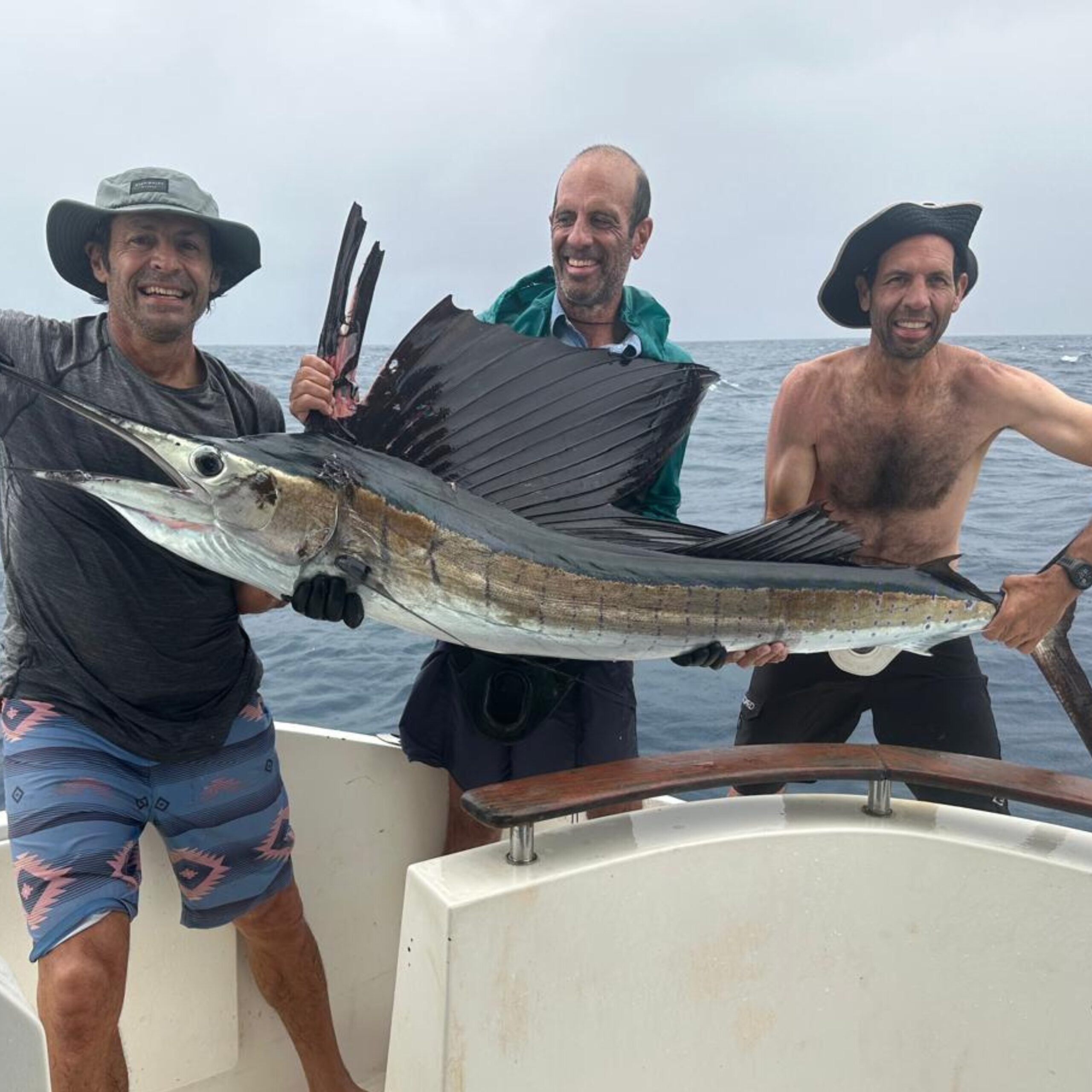
Sailfish – Appear along offshore current lines during favourable conditions
-
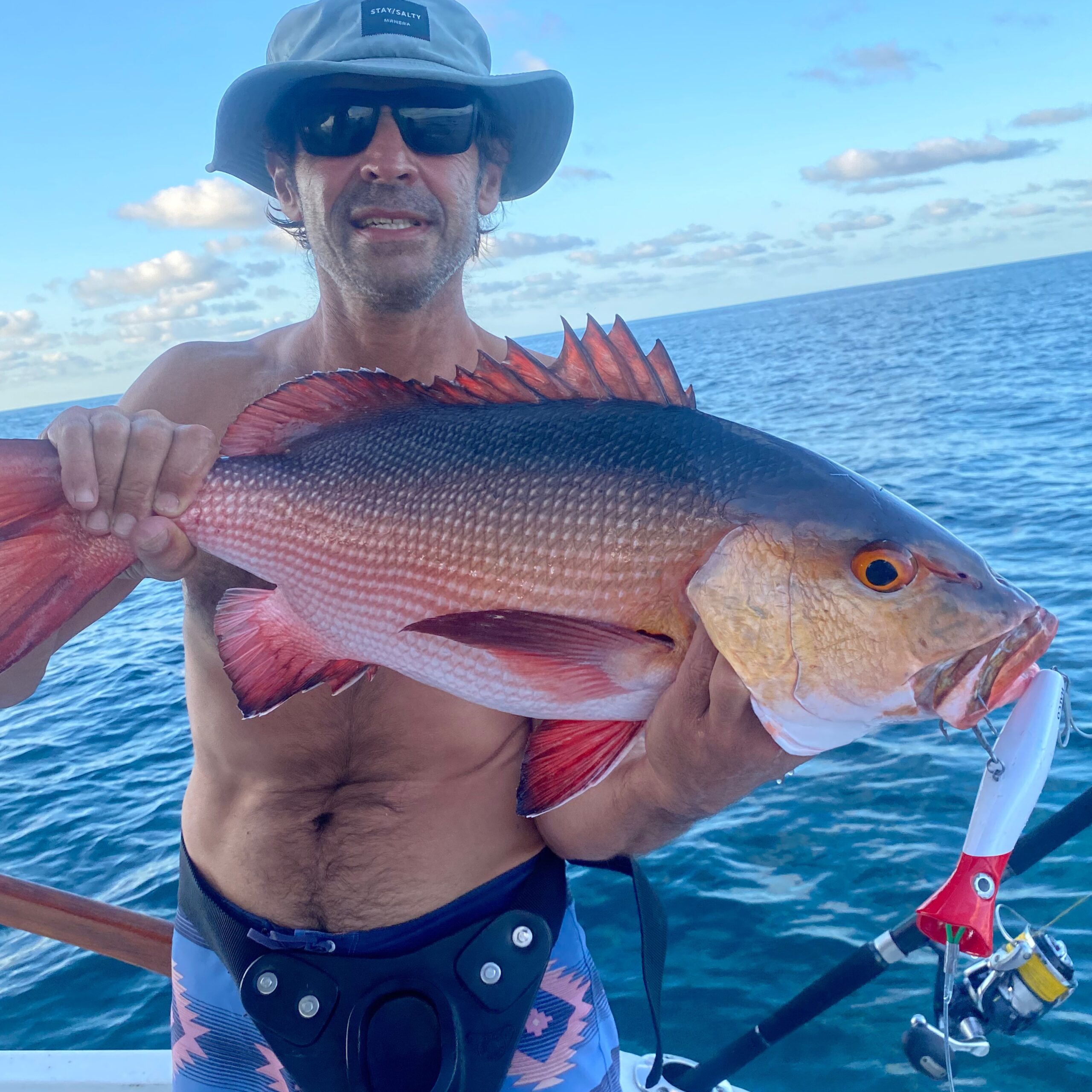
Amberjack, Jobfish, and large Trevally species – Powerful reef dwellers that add depth and variety
Because of this mix, anglers stay engaged throughout long, demanding fishing days.
Effective Techniques at African Banks
Popping at Sunrise
Early morning often brings explosive surface activity as Yellowfin and GTs feed aggressively. At this time, large poppers worked along edges and pressure zones are especially effective due to low light and heightened aggression.
Jigging Drop-Offs and Structure
As the sun rises, focus naturally shifts deeper. Accordingly, Dogtooth Tuna and other deep-water predators become the primary targets. Heavy jigs worked along steep edges and bommies often produce the most violent strikes of the day.
Stickbaits Around Bait and Bird Life
Whenever birds and bait reveal feeding activity, stickbaits become the tool of choice. Because they allow precise presentations, they trigger reaction strikes without excessive surface disturbance.
Trolling Between Zones
While not the main technique, trolling is used strategically. In this way, efficiency is maintained while moving between high-value areas—often resulting in bonus Wahoo or Yellowfin along the way.
Why African Banks Stands Out
Very few locations in the Seychelles combine defined structure, consistent current, and minimal angling pressure as effectively as African Banks. More importantly, what truly sets it apart is the frequency of opportunity:
-
Surface action often occurs multiple times per day
-
Deep structure reliably holds fish
-
Transitions between techniques are seamless
Because of this, anglers on extended expeditions often remember African Banks as one of the most energetic and visually intense days of the trip.
Seasonality & Best Conditions for African Banks Seychelles
African Banks fishes well for much of the year. However, the strongest window generally runs:
-
October to May – Overall peak period
-
February to April – Prime time for Yellowfin and GT topwater action
That said, current strength, water clarity, and bait presence matter more than exact dates. Even so, these months offer the best balance of conditions.
How Screaming Reels Approaches African Banks
Fishing African Banks effectively requires structure and pacing that match the area’s intensity. For that reason, a typical approach includes:
-
Early-morning topwater drifts targeting GTs and Yellowfin
-
Midday jigging sessions focused on structure and drop-offs
-
Afternoon pelagic work as bait reappears on the surface
-
Sunset Dogtooth runs downwind, when large fish often move shallower
By following this rhythm, pressure stays on productive zones while anglers rotate techniques and recover between peaks.
What Anglers Should Expect at African Banks Seychelles
African Banks is not a destination for slow fishing or extended breaks. Therefore, travellers should be prepared for:
-
High-intensity sessions
-
Rapid transitions between techniques
-
Physically demanding days
Ultimately, those who arrive ready to fish hard are rewarded with some of the most memorable action of their expedition.
Final Perspective
African Banks represents the essence of Outer Islands fishing—remote, energetic, and alive from sunrise to sunset. This is because the combination of structure, current, and predator density creates a fishery where opportunities are frequent and outcomes are rarely predictable.
For anglers seeking one of the most dynamic and high-energy experiences in the Amirantes, African Banks consistently delivers.
View trips and availability: https://screamingreels.co/trips-pricing/
Explore the species around african Banks
Charter Packages
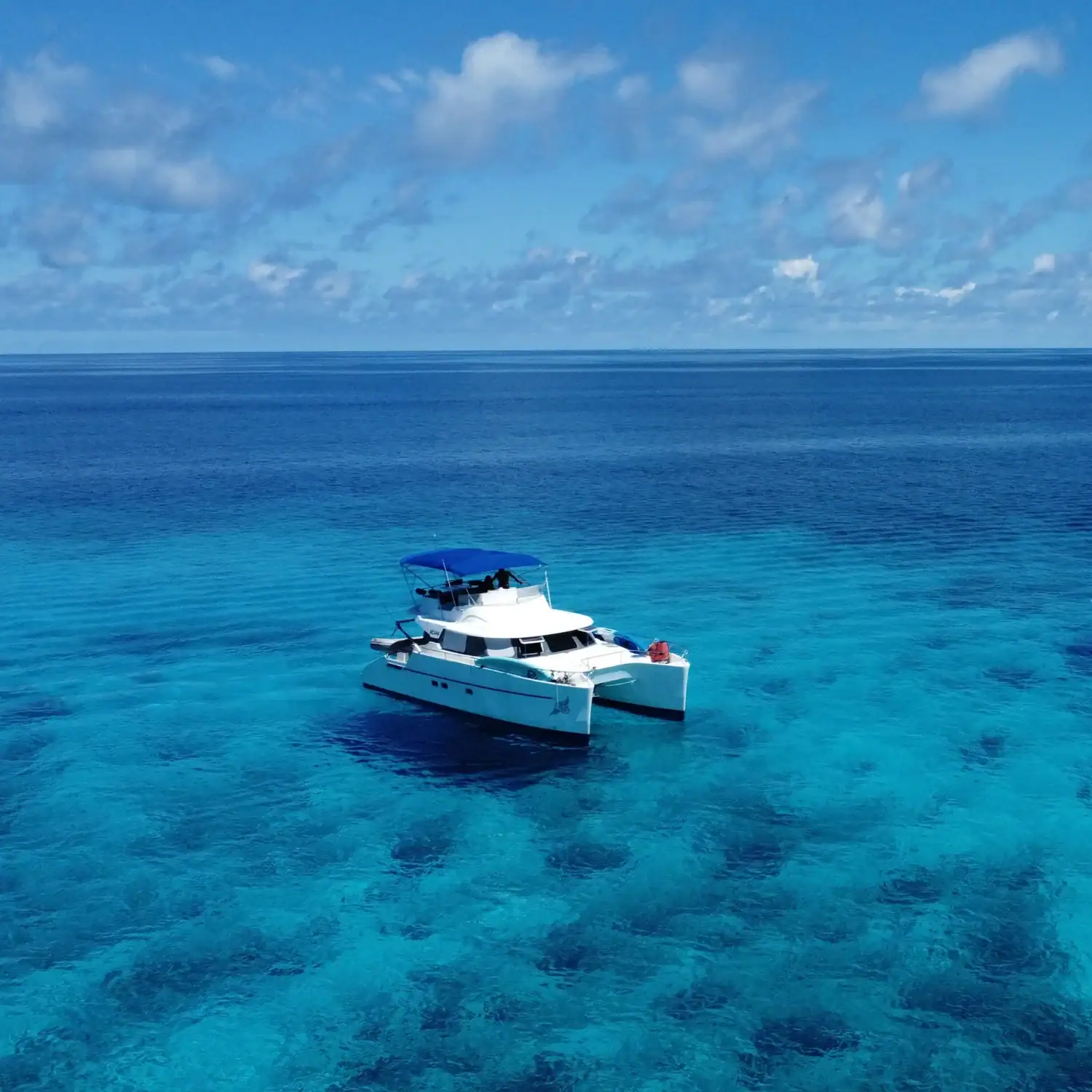
POERAVA – Fountaine Pajot Maryland 37
10-Day Full Board
10-day boat hire 12,700 € (full board)
Food and drink (excluding alcohol)
Number of passengers: 4
Inclusions (boat, fuel, crew)
Exclusions (transfers, flights, any off-boat activities, island landings, etc)
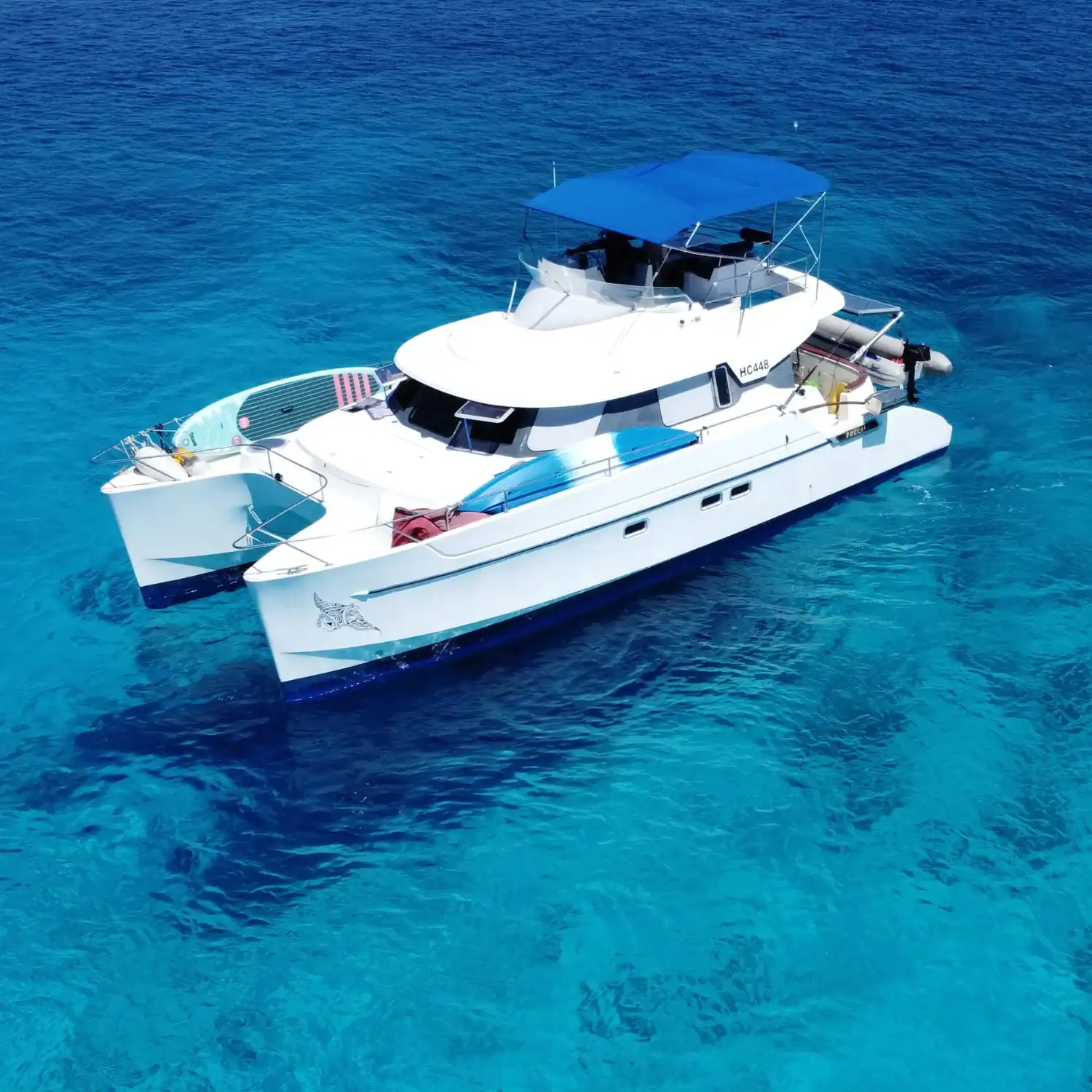
POERAVA – Fountaine Pajot Maryland 37
7-Day Full Board
7-day boat hire 8,900 € (full board)
Food and drink (excluding alcohol)
Number of passengers: 4
Inclusions (boat, fuel, crew)
Exclusions (transfers, flights, any off-boat activities, island landings, etc)
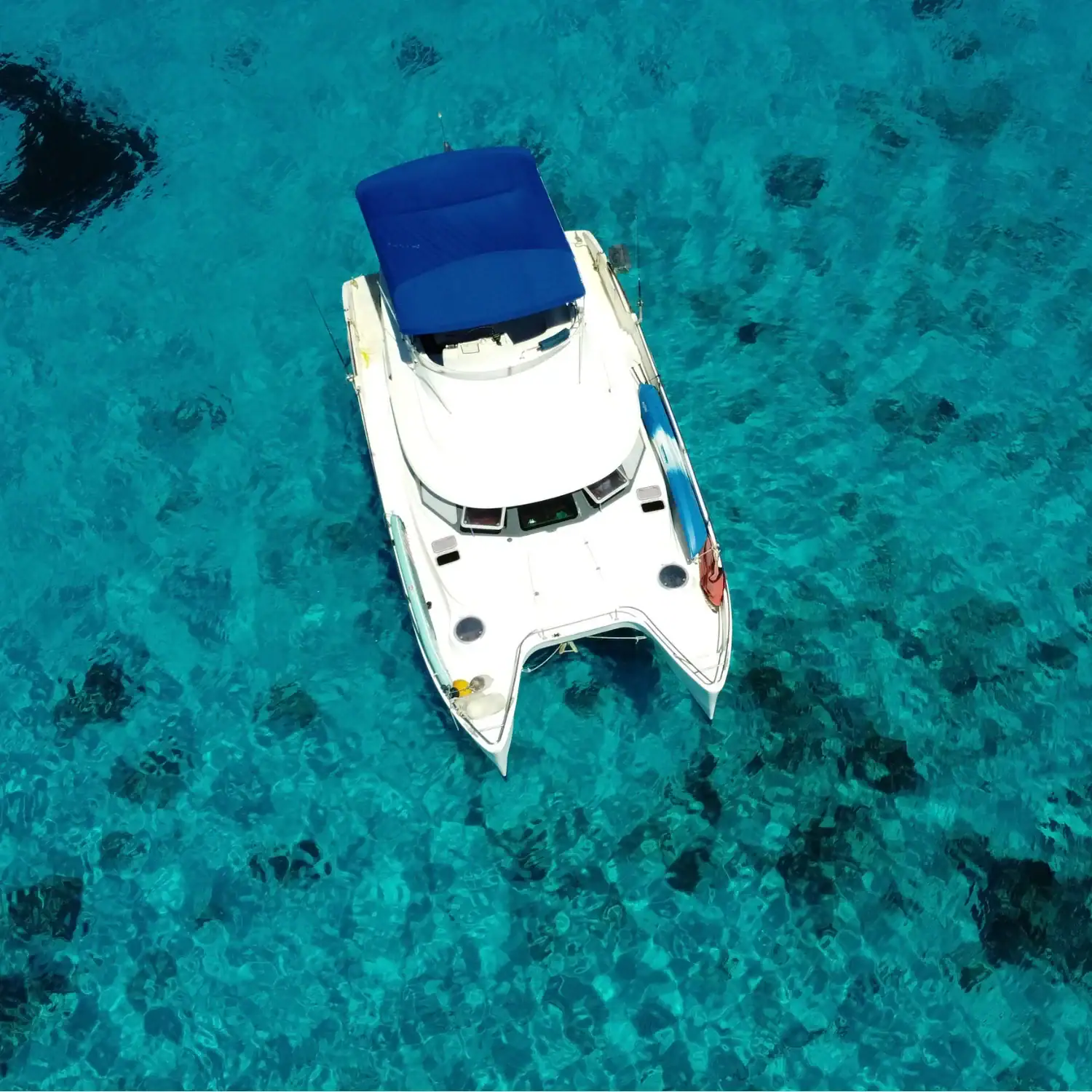
POERAVA – Fountaine Pajot Maryland 37
10-Day (self catering)
10-day boat hire 10,700 € (self catering)
No food or drink provided (boat only)
Number of passengers: 4
Inclusions (boat, fuel, crew)
Exclusions (food and drinks, alcohol, transfers, flights, any off-boat activities, island landings, etc)
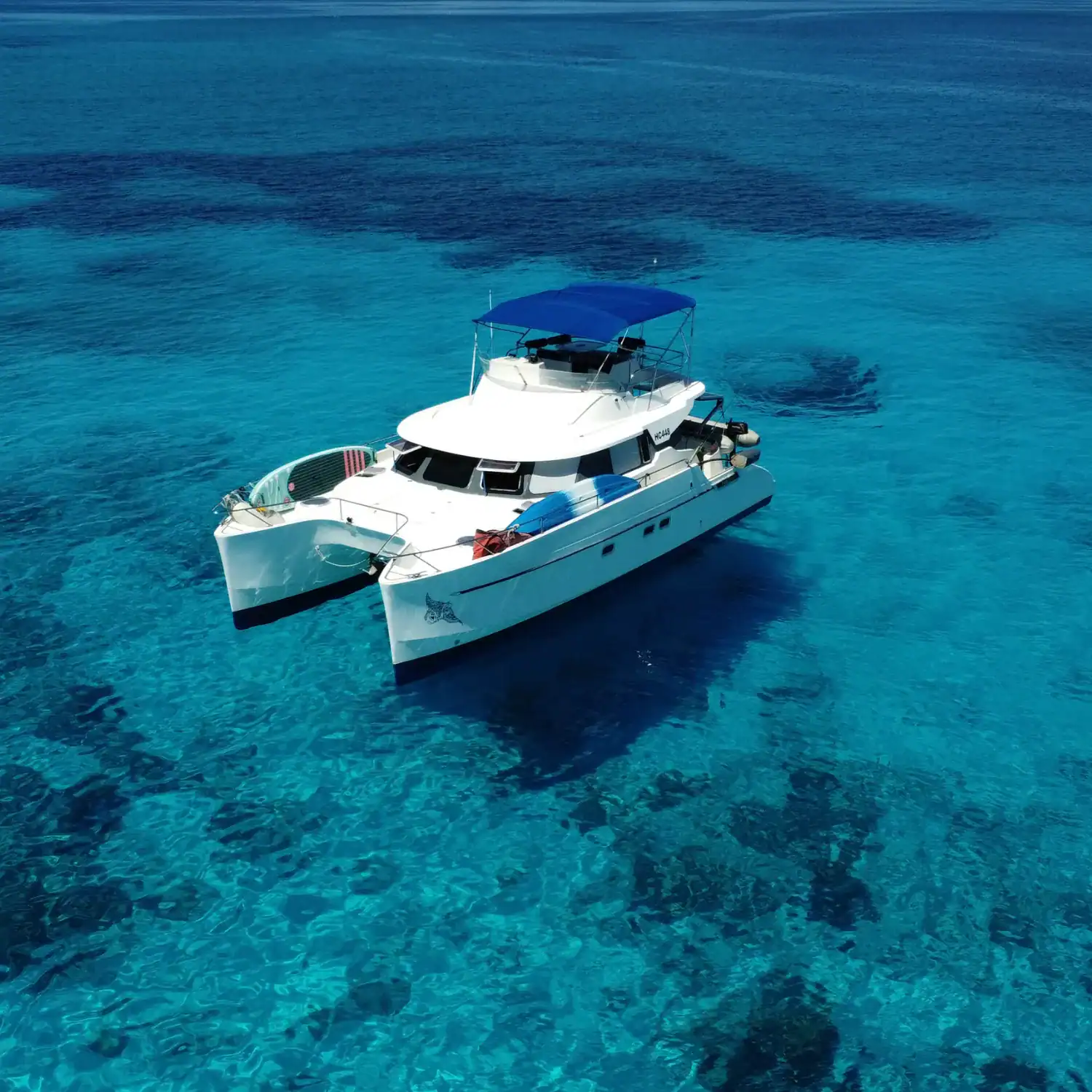
POERAVA – Fountaine Pajot Maryland 37
7-Day (self catering)
7-day boat hire 7,500 € (self catering)
No food or drink provided (boat only)
Number of passengers: 4
Inclusions (boat, fuel, crew)
Exclusions (food and drinks, alcohol, transfers, flights, any off-boat activities, island landings, etc)

HINATEA – Fountaine Pajot Cumberland 46
10-Day (full board)
10-day boat hire 24,285 € (full board)
Food and drink (excluding alcohol)
Number of passengers: 4
Optional: Aircon Supplement
10-day aircon charge 1,150 €
Inclusions (boat, fuel, crew)
Exclusions (transfers, flights, any off-boat activities, island landings, etc)
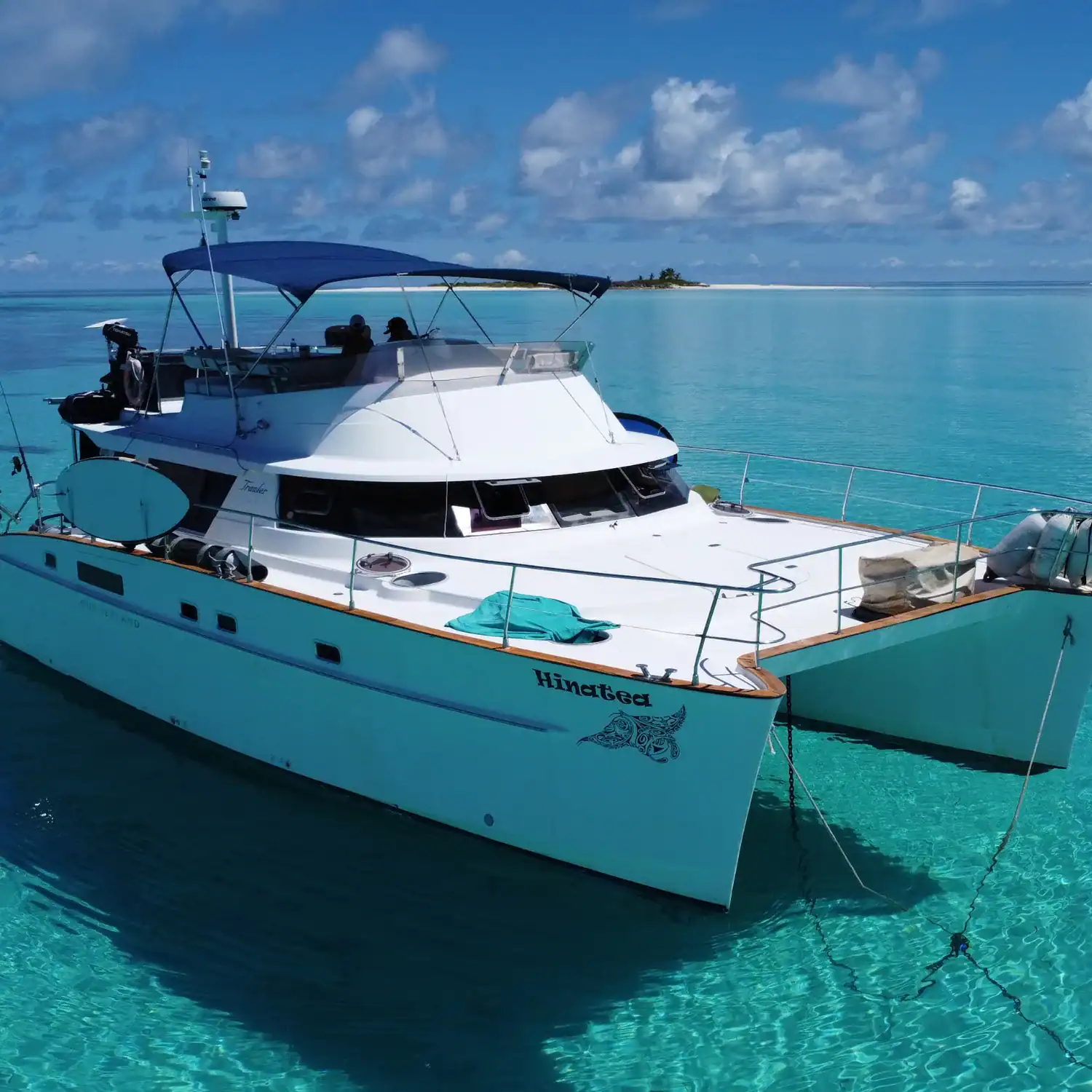
HINATEA – Fountaine Pajot Cumberland 46
7-Day boat (full board)
7-day boat hire 17,000 € (full board)
Food and drink (excluding alcohol)
Number of passengers: 4
Optional: Aircon Supplement
10-day aircon charge 1,150 €
Inclusions (boat, fuel, crew)
Exclusions (transfers, flights, any off-boat activities, island landings, etc)