The October Reversal: Why Seychelles Sailfish Get Aggressive
By Captain Andrew | 10-Day Amirantes Expedition Report
In the world of offshore fishing, there is “activity” and then there is the “October Reversal.” Every year, as the heavy Southeast Trade Winds falter and the Northwest Monsoon begins its descent toward the equator, something shifts in the psychology of our Sailfish.
If you’ve ever searched to ask “are sailfish aggressive,” a single session on the Seychelles Plateau in late October provides the undisputed answer: Yes. But the aggression isn’t random; it is a tactical response to the massive environmental “gear shift” happening in our waters right now .
The Mission: 10 Days on the Transition Edge
-
Trip Type: Blue-Water Pelagic Expedition.
-
Region: The Amirantes (Northern Banks to Poivre).
-
Conditions: Light variable winds (<10 kts), sea state like glass, and 29°C surface temps.
Environmental Conditions: The “Golden Window”
October is the pinnacle of the Seychelles calendar because of the monsoon reversal . This week, we experienced the classic inter-monsoonal “Golden Window.” With the wind dying down, the South Equatorial Current funneled nutrient-rich upwellings onto the Amirantes Plateau.
Water clarity was a staggering 30m+, which usually makes fish finicky. However, the dropping barometric pressure from incoming tropical squalls triggered a predatory “panic” in the Sailfish packs. They weren’t just window-shopping; they were charging the teasers in full color.
Catch & Activity Highlights
-
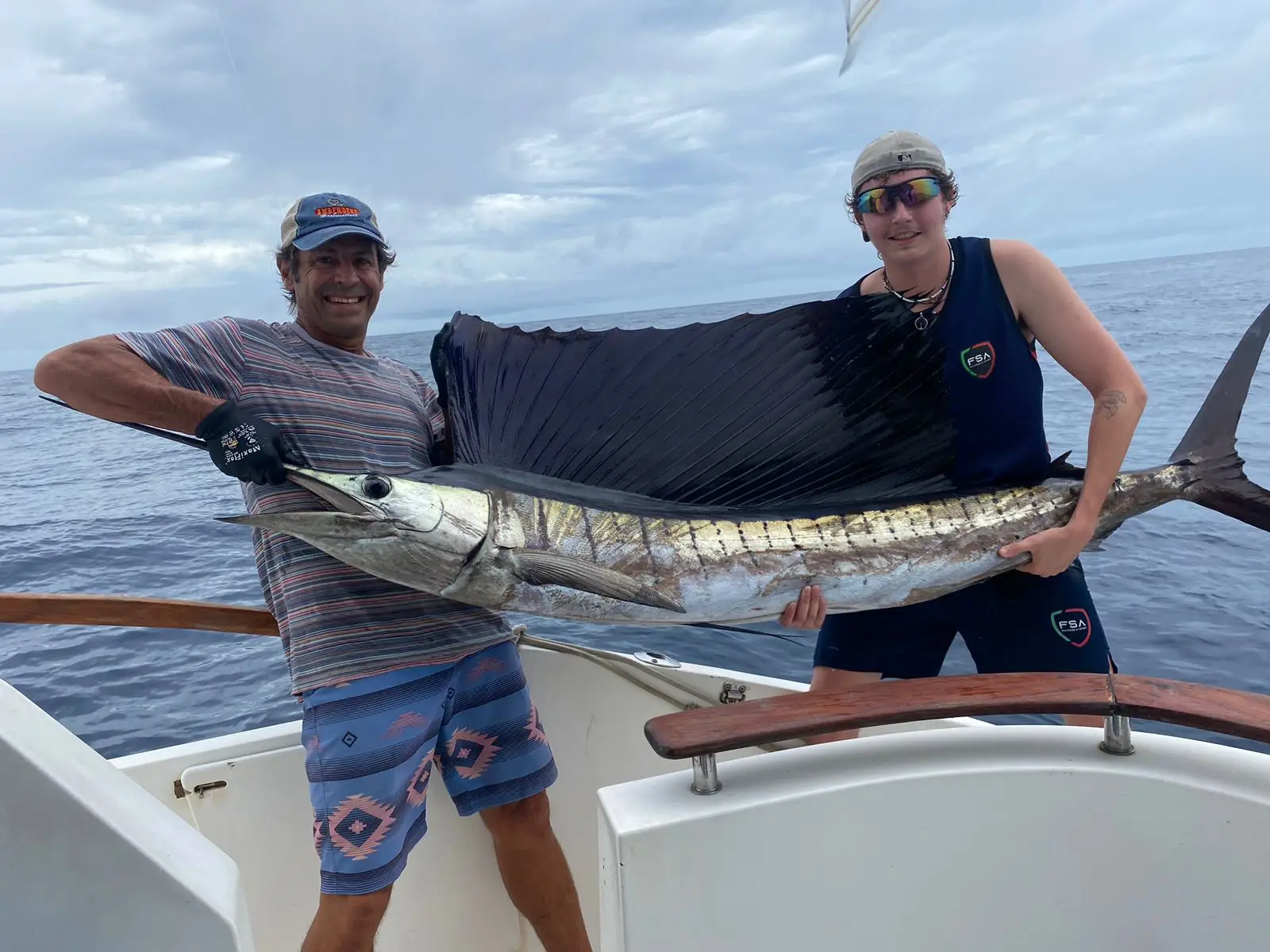
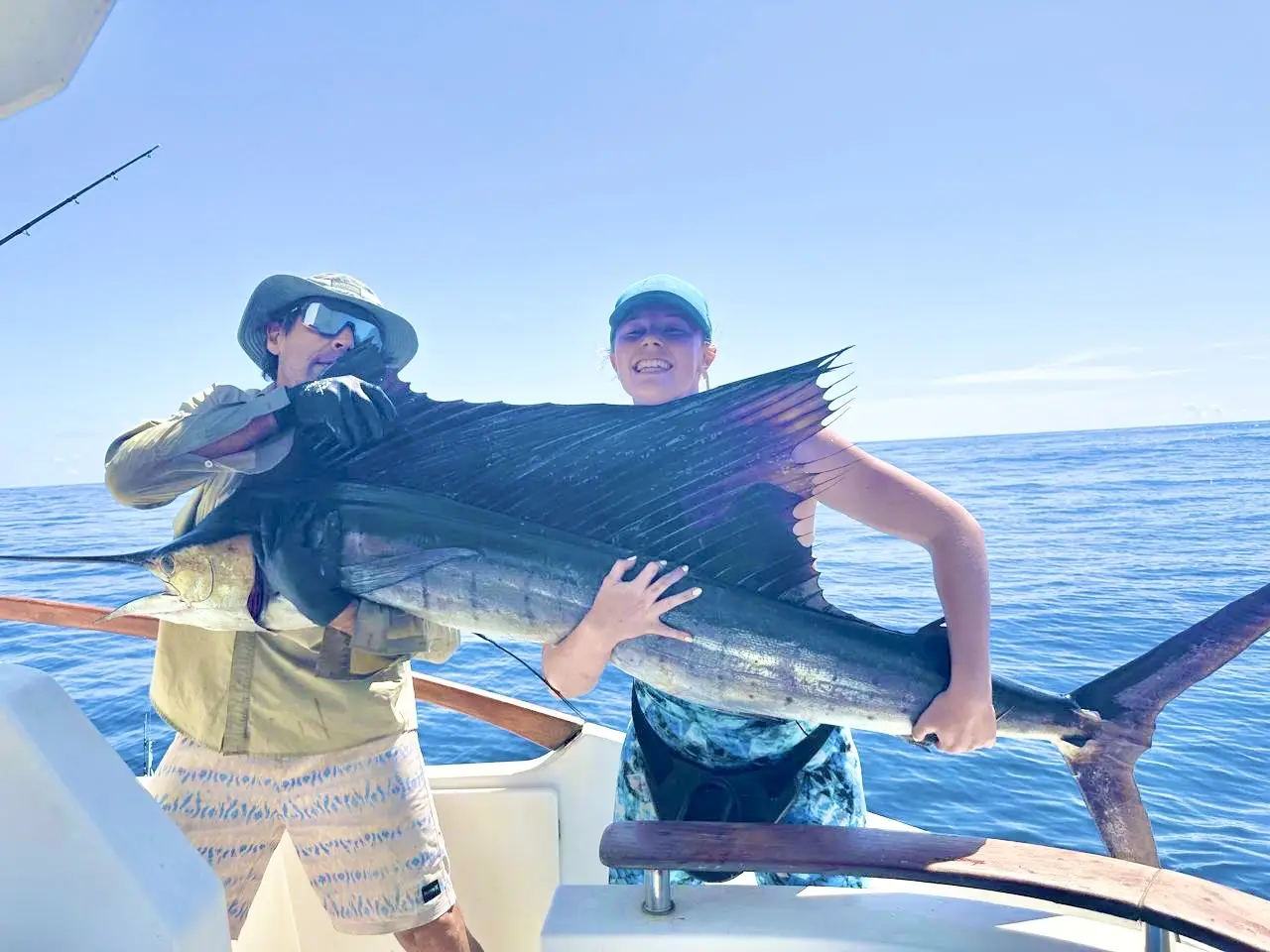
Sailfish: 4 landed, 9 raised. Multiple double hookups occurred when casting stickbaits into “free-jumpers” near the African Banks.
-
Yellowfin Tuna: Massive surface bust-ups pushing “sardine-style” bait balls. Average weight: 35–45kg.
-
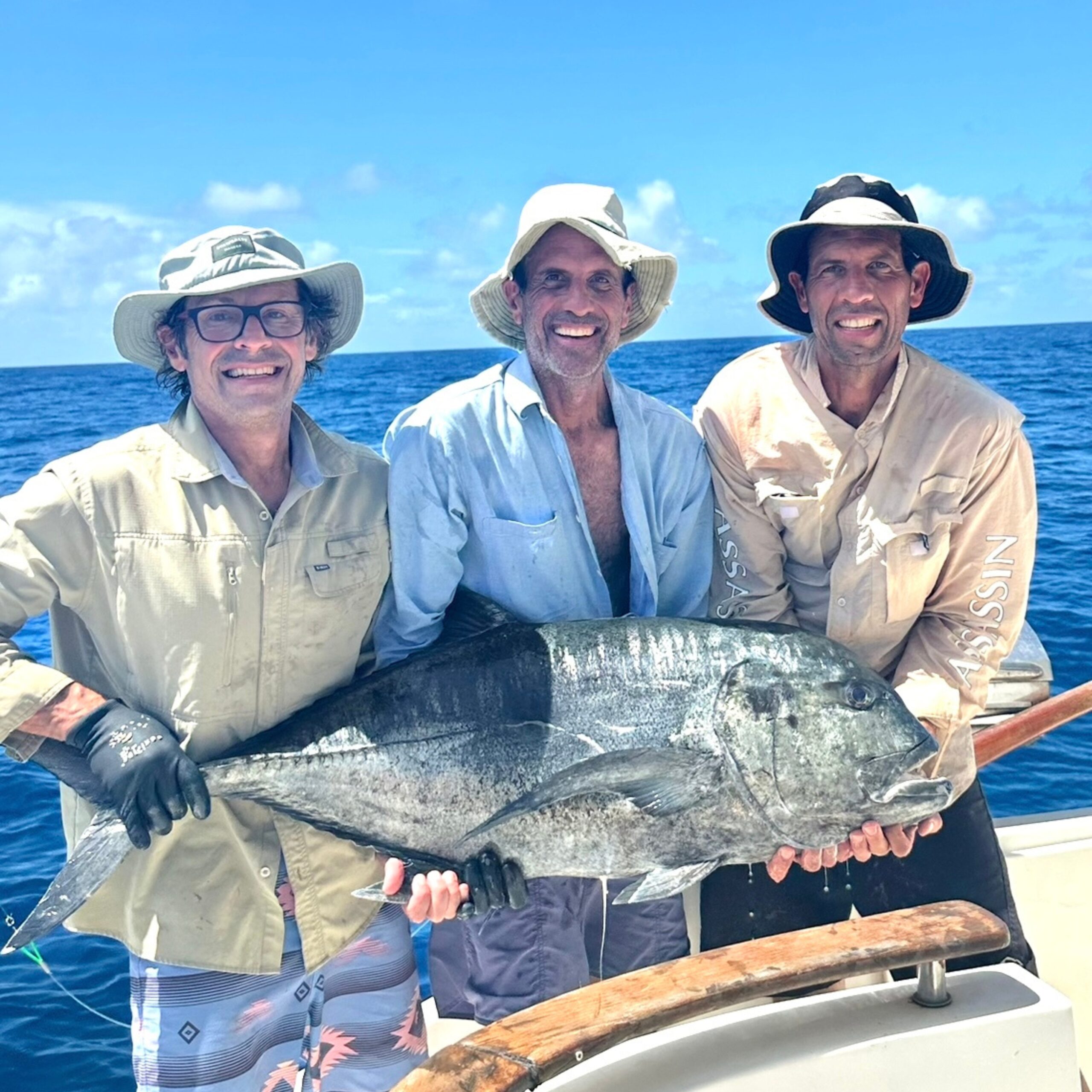
Giant Trevally (GT): 5 landed on the reef edges while moving between banks.
-
Wahoo: High-speed strikes on the troll past Remire Island.
Tackle & Technical Truth
The aggression of the fish required us to stay disciplined with our gear.
-
Technique: We ran a mix of skipping ballyhoo and surface teasers to raise fish, then switched to 12wt fly rods or light spinning tackle.
-
Lure Colors: Pink/Flashy and Natural Blue outperformed everything else. In the high-clarity water, the flash triggered the strike before the fish could inspect the profile .
-
Tactical Adjustment: We moved from heavy cups to slim-profile sinking stickbaits during the midday lulls. The “sweep-and-pause” retrieve was the only way to convince the 50kg+ specimens to commit.
Captain’s Insight: The “Why” Behind the Bite
Why do they get so aggressive? It’s about the thermocline. During the reversal, the thermocline remains shallow, keeping the bait—and the predators—trapped in the top 20 meters of the water column . When you combine that concentration of life with the lack of fishing pressure in the Outer Islands, you get confident, confontational fish.
Conservation Note: All 11 Sailfish were handled boat-side with minimal air exposure and released within 60 seconds to ensure the health of the Amirantes ecosystem .
Plan your next offshore run: 👉 View trips and availability


Leave A Comment